
Frequently Asked Questions (FAQs)
Understanding The Side Effects of Plan B (Levonorgestrel 1.5mg)
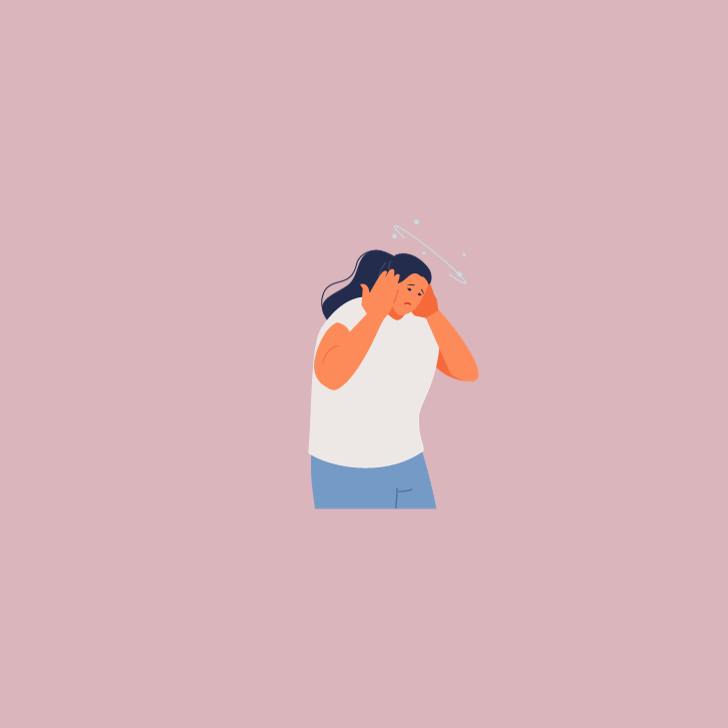
Plan B, also known as Levonorgestrel 1.5mg, is a commonly used emergency contraceptive pill. It’s an effective option for preventing unintended pregnancies when used correctly. However, like many medications, it can have side effects. In this guide, we’ll explore what you need to know about the potential side effects of Plan B.
Common Side Effects:
- Nausea: One of the most common side effects of Plan B is mild nausea. This usually resolves on its own and is less likely to occur if taken with food.
- Fatigue: Some individuals may experience tiredness or fatigue after taking Plan B. Resting and staying hydrated can help alleviate this symptom.
- Headache: Headaches are another possible side effect, but they tend to be mild and temporary.
- Breast Tenderness: You may notice breast tenderness as a side effect, but this typically disappears within a few days.
Less Common Side Effects:
While most people do not experience severe side effects with Plan B, some less common effects might include:
- Vomiting: If you vomit within two hours of taking the pill, it may not be fully effective. In such cases, consider taking another dose.
- Menstrual Irregularities: Plan B can temporarily affect your menstrual cycle, leading to changes in your period’s timing and flow. These changes should normalize in subsequent cycles.
- Abdominal Pain: Some individuals may experience mild abdominal pain or cramping.
- Dizziness: Occasional dizziness has been reported as a side effect.
Note: Only 10 -15% women will experience side effects, if you feel nothing at all after taking plan b, congrats, thats just normal, you belong to the other 85%.
Conclusion:
Plan B (Levonorgestrel 1.5mg) is a safe and effective method of emergency contraception when used as directed. While it may cause mild and temporary side effects in some individuals, these are generally well-tolerated and resolve on their own